



Retina
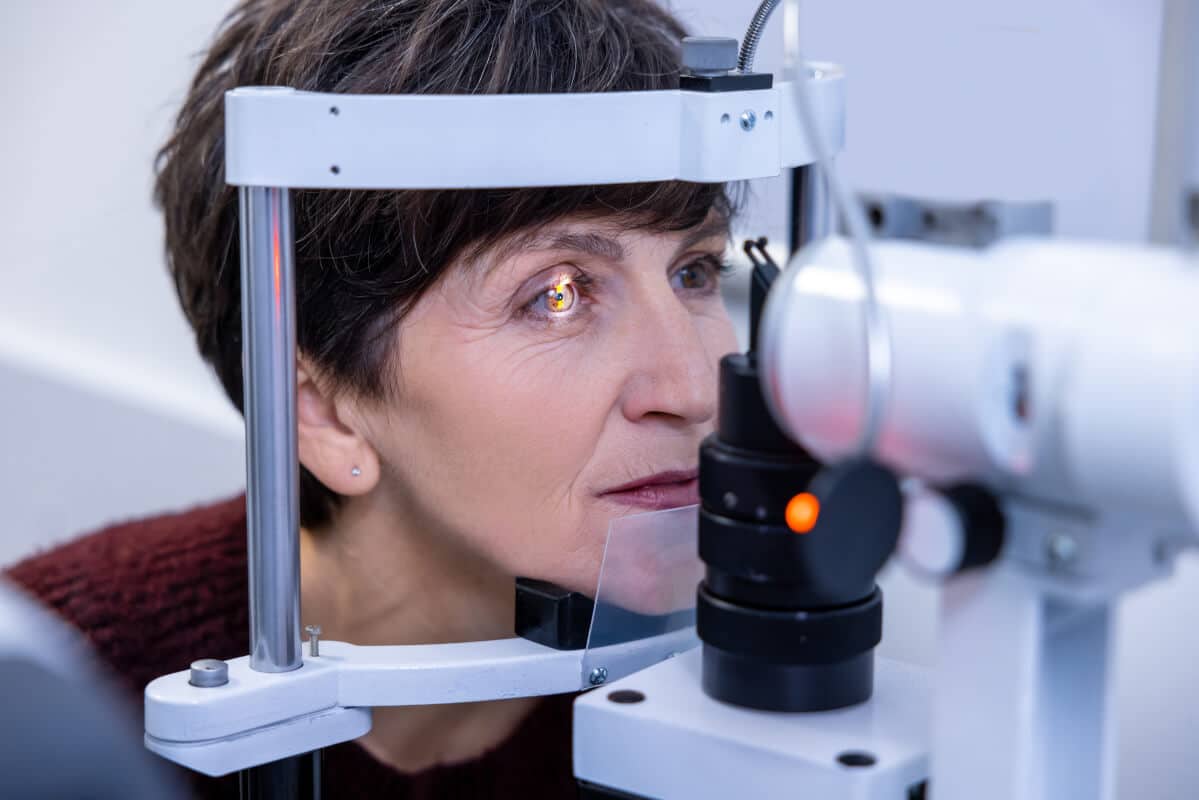
The retina is a thin, light-sensitive tissue lining the back of the eye. It captures the images you see and sends them to the brain through the optic nerve, making it one of the most important structures in the visual system. When the retina is damaged by disease, age-related changes, or trauma, vision can be affected suddenly or gradually, and in some cases, permanently.
Because many retinal conditions develop silently and progress without warning, specialized care and early detection are essential to protecting sight.
At NOVA Eye Experts, patients with retinal conditions have access to comprehensive medical care designed around their individual condition.
Why Choose NOVA Eye Experts for Retinal Care
Retinal care requires a level of expertise that goes well beyond a routine eye exam. The retina is fragile, complex, and unforgiving of delay, which is why patients in our community trust their vision to Dr. Kang and our retinal team.
Dr. Kang is a fellowship-trained medical retina specialist who completed his training at the world renown Cleveland Clinic’s Cole Eye Institute, a leader in cutting edge retinal care and research. He specializes in the diagnosis and management of age-related macular degeneration, diabetic retinopathy, retinal vascular occlusions, and retinal tears, and has served as a co-investigator on multiple retina clinical trials. He stays up-to-date with the latest therapies to provide the optimal treatment for each individual patient.
When patients need surgical retinal intervention, Dr. Kang coordinates care closely with trusted surgical retina specialists to ensure seamless treatment.
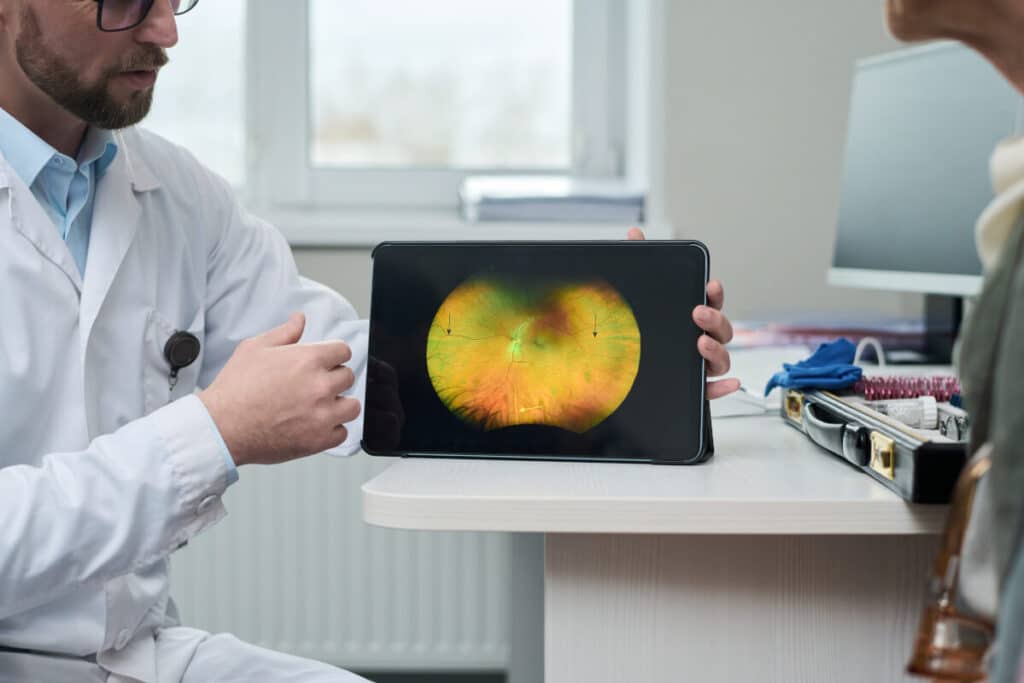
Retinal Conditions We Treat
Dr. Kang treats a wide range of retinal conditions, such as:
Age-Related Macular Degeneration (AMD)
Age-related macular degeneration is a leading cause of vision loss in adults over the age of 50. It affects the macula, the central portion of the retina responsible for sharp, detailed vision used in reading, driving, and recognizing faces.
There are two main forms. Dry AMD develops gradually as small yellow deposits called drusen accumulate beneath the retina and the retinal cells thin over time. Wet AMD is less common but more aggressive. It causes abnormal blood vessels to grow beneath the retina and leak fluid or blood, often causing rapid distortion or loss of central vision.
Dry AMD is managed with regular monitoring, lifestyle guidance, and nutritional support such as AREDS2 supplements for appropriate candidates. In select patients, complement inhibitor injections can slow down the progression of dry AMD. Wet AMD is typically treated with anti-VEGF injections, which slow or stop abnormal blood vessel growth and, in many cases, improve vision when started early.
Diabetic Retinopathy
Diabetic retinopathy is a complication of diabetes that damages the small blood vessels of the retina.
Chronically elevated blood sugar weakens these vessels, causing them to leak, bleed, or close off entirely. Over time, the retina can develop swelling (diabetic macular edema), abnormal new blood vessels, scarring, and even retinal detachment.
The condition often progresses silently in its early stages, which is why annual dilated eye exams are essential for anyone with type 1 or type 2 diabetes. When symptoms do appear, they may include blurred or fluctuating vision, dark spots or floaters, and difficulty seeing at night.
Treatment depends on stage and severity. Mild cases are monitored closely while patients work with their medical team to optimize blood sugar, blood pressure, and cholesterol.
More advanced cases may require anti-VEGF or steroid injections, laser treatment to seal leaking vessels, or vitrectomy surgery to remove blood and scar tissue from inside the eye.
Retinal Tears and Retinal Detachment
A retinal tear occurs when the vitreous gel inside the eye pulls on the retina with enough force to create a break in the tissue. If fluid passes through that break and accumulates beneath the retina, the retina can peel away from the wall of the eye, a condition known as retinal detachment. Without prompt treatment, retinal detachment can lead to permanent vision loss.
Warning signs include a sudden increase in floaters, flashes of light, a shadow or curtain moving across the visual field, or a sudden drop in vision. These symptoms should always be evaluated urgently.
When caught early, a retinal tear can often be sealed in the office with laser photocoagulation or cryotherapy (freezing treatment), preventing detachment from developing.
A full retinal detachment requires surgical repair, which may involve more advanced surgery or a combination of techniques, depending on the size and location of the detachment, with a surgical retina specialist.
Retinal Vein Occlusion
Retinal vein occlusion occurs when one of the veins draining blood from the retina becomes blocked. The blockage causes blood and fluid to back up into the retina, leading to swelling, bleeding, and reduced oxygen delivery.
Patients typically notice sudden, painless blurring or loss of vision in one eye. Treatment focuses on reducing macular swelling and preventing complications such as abnormal blood vessel growth. Anti-VEGF injections are typically the first-line therapy, with steroid injections, laser treatment, or surgical intervention used in select cases.
Other Retinal Conditions
Dr. Kang also evaluates and treats a range of additional retinal conditions, including macular holes, epiretinal membranes (also called macular puckers), posterior vitreous detachment, and flashes and floaters, among others. Because many of these conditions share overlapping symptoms, a detailed retinal examination is essential to an accurate diagnosis and an appropriate treatment plan.
When to Schedule an Exam
Any sudden change in vision, including new flashes, a surge of floaters, dark shadows, distortion of straight lines, or loss of central vision, should be evaluated promptly.
Patients with diabetes, high blood pressure, a family history of retinal disease, or a personal history of eye injury or surgery benefit from regular dilated retinal exams even when their vision feels normal.
Many retinal conditions are most treatable in their earliest stages, well before symptoms become noticeable.When it comes to retinal health, early action makes all the difference. Schedule your evaluation at NOVA Eye Experts in Manassas or Warrenton, VA, today.





